Share

Alligator Snapping Turtle
🔤 Taxonomy
Macroclemys temminckii is an older combination; current taxonomic databases generally use Macrochelys temminckii.
Common names used in the hobby:
- Alligator snapping turtle
📌 Description
A huge, powerful aquatic turtle from the southeastern United States that needs expert housing, heavy filtration, secure containment, and strict safety routines.
Adults are usually about 40-80 cm and can weigh far more than most private keepers can safely manage. This article treats the species as a long-term specialist animal, not a normal pet-turtle choice.
🌍 Distribution
Large river systems, swamps, oxbows, and deep backwaters draining toward the Gulf of Mexico in the southeastern United States.
Captive care should focus on pond-scale function: enormous stable water volume, cooler options, heavy construction, safe servicing, and water that stays clean despite the animal’s size and diet.
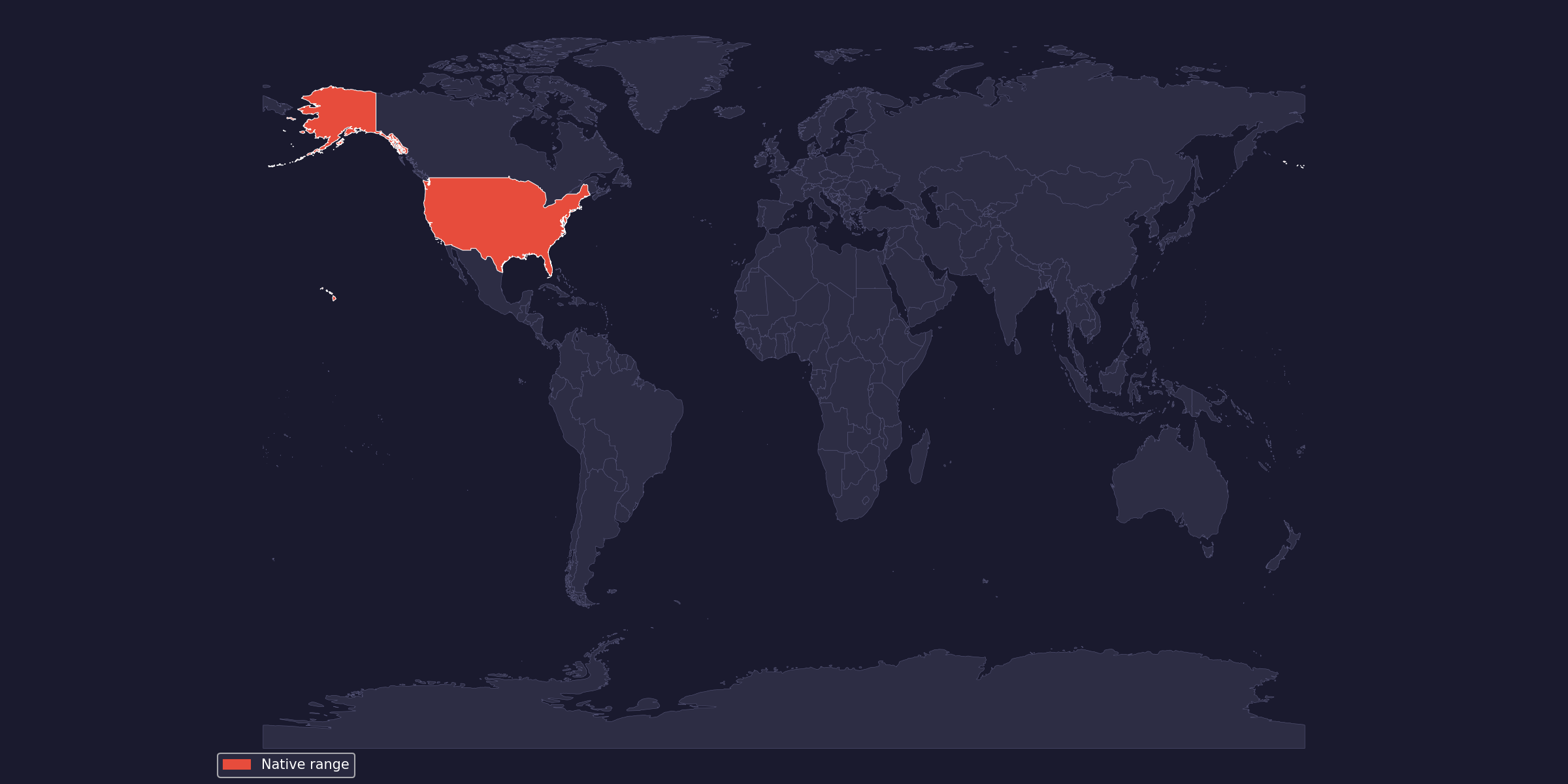
🌡 Climate across the native range
Monthly climate normals from reviewed GBIF occurrence locations:
Texas — United States of America
| Month | Min °C | Mean °C | Max °C | RH % |
|---|---|---|---|---|
| January | 1.1 | 7.1 | 13 | 71 |
| February | 3.4 | 9.8 | 16.2 | 67 |
| March | 7.2 | 13.9 | 20.6 | 67 |
| April | 11.2 | 17.9 | 24.6 | 68 |
| May | 16.1 | 22.1 | 28.2 | 74 |
| June | 20.2 | 26 | 31.8 | 72 |
| July | 22 | 28.1 | 34.3 | 67 |
| August | 21.4 | 28 | 34.6 | 65 |
| September | 18.1 | 24.6 | 31.1 | 66 |
| October | 11.9 | 18.9 | 25.9 | 68 |
| November | 6.4 | 13 | 19.5 | 72 |
| December | 2.5 | 8.6 | 14.7 | 68 |
Alabama — United States of America
| Month | Min °C | Mean °C | Max °C | RH % |
|---|---|---|---|---|
| January | 2.5 | 8.3 | 14.1 | 68 |
| February | 3.4 | 10 | 16.7 | 66 |
| March | 7.3 | 14.2 | 21 | 65 |
| April | 10.4 | 17.6 | 24.8 | 64 |
| May | 15 | 21.8 | 28.5 | 69 |
| June | 19 | 25.4 | 31.8 | 71 |
| July | 20.9 | 26.9 | 33 | 73 |
| August | 20.6 | 26.6 | 32.6 | 74 |
| September | 18.3 | 24.4 | 30.5 | 71 |
| October | 11.8 | 18.7 | 25.7 | 67 |
| November | 7.1 | 13.9 | 20.7 | 68 |
| December | 3.8 | 10.1 | 16.3 | 67 |
Georgia — United States of America
| Month | Min °C | Mean °C | Max °C | RH % |
|---|---|---|---|---|
| January | 2.6 | 8.8 | 14.9 | 69 |
| February | 3.8 | 10.6 | 17.5 | 65 |
| March | 7.8 | 14.8 | 21.7 | 64 |
| April | 11 | 18.3 | 25.7 | 62 |
| May | 15.6 | 22.6 | 29.6 | 66 |
| June | 19.5 | 25.9 | 32.3 | 69 |
| July | 21.3 | 27.3 | 33.3 | 72 |
| August | 20.9 | 26.9 | 32.8 | 74 |
| September | 18.5 | 24.7 | 30.8 | 72 |
| October | 12.1 | 19.2 | 26.4 | 68 |
| November | 7.2 | 14.4 | 21.5 | 68 |
| December | 3.9 | 10.4 | 17 | 68 |
Weather data by WorldClim v2.1 · Monthly normals queried by Herpeton Academy from raster values; relative humidity is derived from vapor pressure and mean temperature.
Location references use GBIF.org occurrence data where available; original occurrence records retain their source dataset licenses.
⚖️ Legal status
As of 2026-06-05, this article records Macrochelys temminckii as CITES Appendix II, EU Annex B, and Bern Convention: not relevant. Local rules can still restrict possession, transport, sale, breeding, import, or keeping of large snapping turtles. Keep invoices, breeder or origin details, transfer/import papers, and identification photos; do not rely only on a verbal origin claim.
Commercial harvest is prohibited across the U.S. range, and some states treat the species as protected or otherwise restricted. Release is never a fallback plan: it can spread disease, harm native wildlife, and violate law.
🤌 Husbandry
This species is not suitable for normal home aquariums. Adults require pond-scale water volume, powerful filtration, safe handling equipment, and barriers that cannot be climbed, pushed, or broken.
A practical minimum footprint is about 300 x 150 cm, or 4.5 m², for one appropriately sized animal, with more space for large adults and outdoor systems. Plan how the system will be serviced without dangerous hand contact.
🧪 Filtration and water quality
Large carnivorous turtles create heavy waste. Use oversized mechanical and biological filtration, remove uneaten food promptly, and design the system so filters and drains can be serviced safely.
Poor water quality causes skin inflammation, shell lesions, odor, and secondary infections. Because adults are difficult and dangerous to handle, prevention is much easier than treatment.
💡 Lighting
Provide a clear day-night cycle of about 10-12 hours. UVB should be planned around Ferguson Zone 1, with a measured basking or exposure zone and shaded retreats rather than flooding the whole enclosure with UV.
Indoor animals need bright visible light and a reliable UVB source unless they receive regular safe outdoor sunlight. Glass does not provide useful UVB, and old lamps can still shine visibly while producing weak biological output.
🌡 Heating and temperature
Typical structured targets are:
- ambient or water: 20-26°C
- basking surface: 28-32°C
- cool retreat: 18-20°C
- night: 18-22°C
Use thermostats and separate thermometers. Heat should create a usable gradient, not one uniform hot box. Check surface temperatures, water temperature, and the animal’s actual choices before changing feeding or seasonal routines.
💧 Humidity and water
Humidity around the water system is typically 50-80%, but water depth, resting shelves, and safe surfaces matter more. Provide enough water for normal movement plus shallow support points for resting and surfacing.
Water dishes, pools, platforms, and ramps should be easy to clean and should not abrade skin, toes, or shell. For aquatic species, water depth must allow normal movement while still giving safe resting and exit options.
🌿 Enclosure and layout
The enclosure must allow turning, bottom-walking, resting, surfacing, and safe cleaning. Leave wide passages without narrow gaps where the head, limbs, or shell can wedge. All structures must tolerate adult weight and force.
Design maintenance around safety: drains, removable barriers, long tools, secure lids, guarded heaters, and a transport container should be planned before the animal arrives. Cohabitation is not appropriate for routine private care.
🥗 Feeding
Feed whole fish from safe sources, aquatic invertebrates, quality aquatic turtle pellets, and occasional appropriate lean vertebrate prey. Do not use feeder fish as the only diet and never hand-feed. The recorded interval is every 3-7 days, adjusted for age, season, and condition.
Feed for stable body condition rather than maximum appetite. Remove leftovers, record weight, and adjust frequency for age, season, temperature, reproductive state, and activity. Use calcium and supplements according to diet quality and UVB access.
🥚 Breeding notes
This is an oviparous species. Typical clutch size is about 8-52 eggs, with incubation around 26-30°C for about 100-140 days. Breeding is difficult and should be limited to legal, unrelated, healthy animals with secure long-term placement for offspring.
🩺 Common problems
Major risks include severe bites, shell trauma, poor water quality, obesity, cold stress, escape, and unsafe handling. Use an experienced reptile veterinarian for injuries, swelling, respiratory signs, persistent refusal to eat, or abnormal buoyancy.
Quarantine new animals, record weights, monitor shell and skin condition, and use an experienced reptile veterinarian for injuries, swelling, persistent refusal to eat, respiratory signs, or abnormal buoyancy.
📌 Conclusion
Alligator Snapping Turtle care is realistic only for highly prepared keepers or institutions that can provide pond-scale water systems, legal paperwork, safety procedures, and long-term housing. The failure point is usually adult logistics, not hatchling care.
📚 Sources and further reading
Key sources checked for this revision:
- CITES Appendices, checked 2026-06-05
- U.S. Fish & Wildlife Service turtle CITES appendices chart
- European Commission wildlife trade overview
- U.S. Fish & Wildlife Service: Alligator Snapping Turtle
- USGS NAS: Alligator Snapping Turtle
- GBIF Backbone Taxonomy
- WorldClim v2.1