Share

Western Hognose Snake
🔤 Taxonomy
Heterodon nasicus is the currently accepted scientific name.
English common names used in the hobby:
- Western hognose snake
- Plains hognose snake
German common names used in the hobby:
- Westliche Hakennasennatter
- Hakennasennatter
📌 Description
The western hognose snake (Heterodon nasicus) is a small, stout-bodied North American colubrid that has become very popular in captivity. It is best known for its upturned snout, bluffing behavior, and relatively manageable size.
Adults usually reach roughly 35-90 cm depending on sex and lineage, with females generally becoming larger and heavier than males. The species is strongly terrestrial and spends much of its time pushing through substrate or hiding beneath surface cover.
Although often recommended for beginners, this is still a species with specific needs. It is best suited to keepers who can provide a dry, secure, escape-proof setup and who understand that hognose snakes can be dramatic, defensive bluffers without being truly dangerous in normal captive situations.
🌍 Distribution
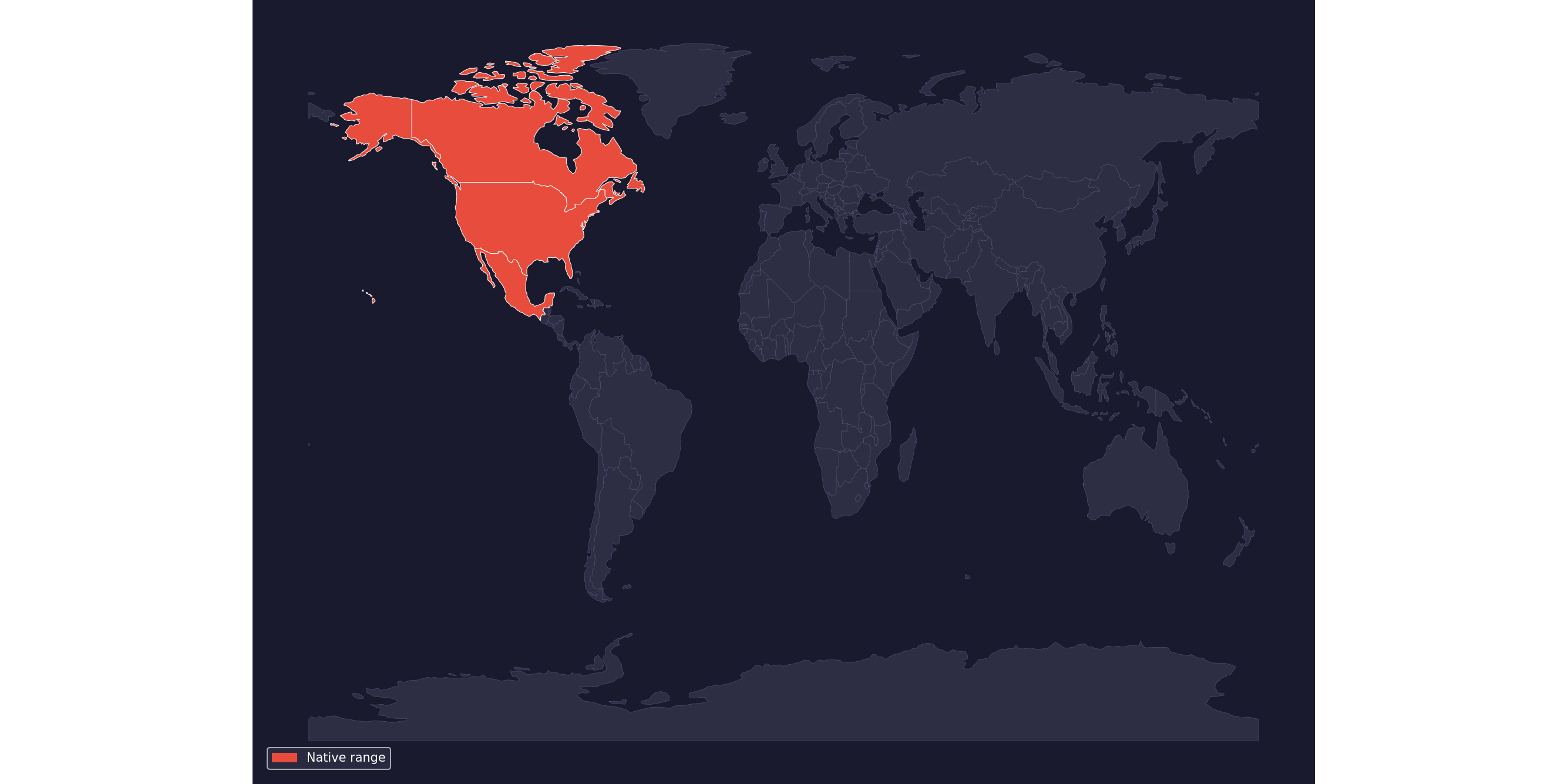
Heterodon nasicus is native to central North America, from southern Canada through the central United States into northern Mexico. In the wild it is associated with prairie, dry grassland, sandy scrub, open woodland and loose soils where it can dig.
For captive care, the useful lesson from this distribution is:
- secure hides in both warm and cool parts of the enclosure
- a clear thermal gradient instead of one uniform temperature
- substrate and cover that match the species’ natural shelter use
- humidity managed by microclimates, not by keeping the whole enclosure wet
- space and enrichment that support normal movement and hunting behaviour
⚖️ Legal status
Western hognose snakes are not generally treated as a CITES-listed species, and no species-specific EU wildlife trade listing is usually applied to Heterodon nasicus. The species is also not relevant to the Bern Convention because it is not native to Europe.
Depending on the country or region, local rules on ownership, sale, transport, breeding, or import may still apply. Captive-bred animals from well-documented sources are preferable.
🤌 Husbandry
Western hognose snakes do best in a dry, secure terrestrial enclosure. A practical adult enclosure is often around 75-90 × 40-45 × 35-45 cm, though larger setups can work very well when they still provide enough cover and security.
Useful setup features include:
- Several snug hides
- Loose substrate for burrowing
- A dry environment with good ventilation
- Moderate visual cover
- Reliable escape prevention
This species does not need a tall enclosure. It benefits much more from usable floor space, burrowing opportunities, and stable low-stress conditions.
💡 Lighting
Western hognose snakes do not strictly require UVB lighting, but a regular day-night cycle is important. Low-level UVB can be used if distances and shaded areas are correct.
Good practice includes:
- A normal photoperiod of about 10-12 hours adjusted seasonally
- Brightness that does not leave the snake feeling overexposed
- Shade and cover throughout the enclosure
Night lighting is unnecessary.
For UV planning, treat this species as Ferguson Zone 2. Aim for about UVI 1-2 at the animal’s back or shell height in the basking zone, with a gradient down to shaded areas near zero UVI. This usually points to a moderate 5-7% T5/Forest-style UVB tube at a measured safe distance; measure with a Solarmeter 6.5 when possible, because reflector, mesh, distance, and lamp age change the real exposure.
🌡 Heating and temperature
This species needs a clear thermal gradient.
Suitable approximate temperatures:
- Warm hide / basking surface: around 30-32°C
- Warm side ambient: 25-28°C
- Cool side: 21-24°C
- Night temperature: often around 18-22°C
Because western hognoses come from drier open habitats, they usually do better with steady warmth and dryness than with warm stagnant humidity. Heating should always be thermostat-controlled.
💧 Humidity and water
Western hognose snakes are generally kept drier than tropical snakes. Constantly damp conditions can contribute to skin and respiratory problems.
Practical targets:
- Normal conditions: around 30-50%
- During shedding: temporary access to slightly higher humidity or a humid hide can help
Always provide:
- Clean fresh water
- A dry main enclosure
- Good ventilation
- A humid hide if sheds become incomplete
🌿 Enclosure and decoration
The enclosure should support digging, hiding, and low-level exploration.
Useful elements include:
- Aspen or another dry burrow-friendly substrate
- Cork bark or low shelters
- Dry branches or small structure for enrichment
- Several secure hides
- A stable water bowl
The enclosure should not be left bare. A western hognose that feels exposed may spend more time bluffing, hiding, or refusing food.
🪳 Feeding
Western hognose snakes are fed appropriately sized rodents in captivity. Frozen/thawed prey is the standard and safest approach.
Typical feeding rhythm:
- Hatchlings: every 4-6 days
- Juveniles: every 5-7 days
- Adults: usually every 7-10 days, adjusted for body condition
Prey size should match the widest part of the snake’s body. Overfeeding can make this species obese quite easily.
Some individuals can be fussy feeders, especially small males or newly established animals. Stress, excessive exposure, wrong temperatures, and too little security are common reasons for poor feeding response.
🩺 Common problems
The most common western hognose problems are linked to overfeeding, incorrect temperatures, chronic dampness, poor sheds, and stress-related feeding refusal.
Warning signs include:
- Wheezing or mucus
- Repeated bad sheds
- Weight loss
- Obvious obesity
- Regurgitation
- Burns
- Persistent refusal to feed
If problems appear, first check temperatures, thermostat accuracy, substrate dryness, prey size, enclosure cover, and hydration. Persistent decline, respiratory signs, repeated regurgitation, or notable swelling should be checked by a reptile veterinarian.
📌 Conclusion
The western hognose snake is a rewarding small terrestrial species with a lot of personality. When kept in a dry, secure enclosure with proper heating, enough cover, and sensible feeding, it is usually hardy and engaging in captivity.
📚 Sources and further reading
- CITES Appendices and Species+ trade database, checked April 2026
- EU wildlife trade regulations and annex references, checked April 2026
- GBIF species backbone and occurrence data for taxonomy and distribution context
- IUCN Red List and specialist husbandry references where applicable