Share

Terrarium Plants
Live plants are both a structural and biological element in a terrarium. They stabilize the microclimate, support humidity, provide hiding places, and encourage natural behavior. Plant choice must match the type of environment: dry, tropical, or paludarium.
🌵 Plants for dry terrariums
Suitable for desert lizards, dry-adapted snakes, and invertebrates. These plants require strong light, and the soil should be sandy and very well drained.
Recommended species:
- Aloe (Aloe vera) - a hardy succulent that tolerates high temperatures.
- Haworthia spp. - compact succulents for smaller spaces.
- Snake plant (Dracaena trifasciata) - extremely tolerant of dry air.
- Gasteria spp. - suitable for somewhat lower-light areas.
- Crassula ovata (small forms) - stable in moderately dry conditions.
🌴 Plants for tropical terrariums
Suitable for geckos, chameleons, frogs, and other species that require high humidity.
Recommended species:
- Pothos (Epipremnum aureum) - versatile and extremely hardy.
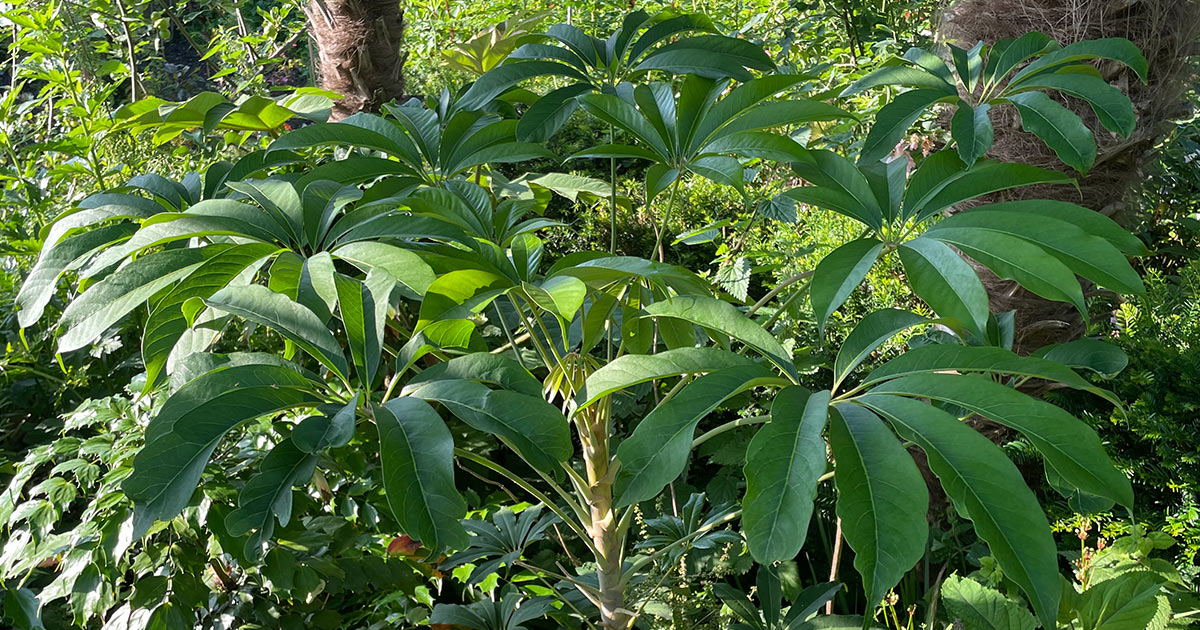
- Dwarf umbrella tree (Schefflera arboricola) - creates dense foliage.
- Weeping fig (Ficus benjamina) - suitable for tall terrariums.
- Hibiscus (Hibiscus rosa-sinensis) - decorative and generally safe if nibbled.
- Philodendron scandens - easy to maintain.
- Monstera adansonii - a compact alternative to larger monsteras.
- Peperomia obtusifolia - tolerant of moderate light.
- Ficus pumila - useful for vertical planting.
🌊 Plants for paludariums
Suitable for mixed environments with both aquatic and terrestrial areas.
Recommended species:
- Anubias spp. - hardy aquatic plants.
- Microsorum pteropus (Java fern) - ideal for the aquatic section.
- Cryptocoryne spp. - suitable for semi-submerged areas.
- Neoregelia (bromeliads) - hold water in the leaf rosette.
- Fittonia spp. - ideal for humid terrestrial areas.
- Selaginella spp. - suitable for a forest-floor environment.
💡 Lighting
UVB lamps are not enough for photosynthesis.
Plants need:
- Strong LED or T5 lighting at around 6500K
- A 10-12 hour light cycle
- Good coverage across the upper part of the terrarium
In tropical and paludarium systems, stronger lighting helps plants grow more compactly.
🌱 Planting
In pots
The most practical method. It allows better moisture control and easy replacement.
Direct planting (bioactive system)
Requires a drainage layer (expanded clay), a separating mesh, and a suitable substrate. This approach is best suited to tropical terrariums and paludariums.
🌿 Fertilizing
Fertilizing can be done carefully:
- Organic liquid fertilizers
- Fertilizing outside the terrarium
- No granular chemical fertilizers
In bioactive systems, additional fertilizing is often unnecessary.
❌ Plants to avoid
- Dieffenbachia
- Nerium oleander
- Anthurium
- Monstera deliciosa
- Rhododendron
- Hedera helix
- Codiaeum variegatum
- Zamioculcas zamiifolia
📌 Conclusion
Well-chosen plants turn a terrarium into a stable, functional ecosystem. Whether you are building a dry, tropical, or paludarium setup, plants must be selected according to:
- the microclimate
- the animal species
- the lighting
- drainage