Share

Green Anole
🔤 Taxonomy
Anolis carolinensis is the accepted scientific name. Older and hobby material may also mention names such as Anolius carolinensis, Anolis baccatus, or Norops baccatus.
Common names used in the hobby:
- Green anole
- Carolina anole
- American green anole
- American chameleon
German common names used in the hobby:
- Rotkehlanolis
📌 Description
Green anoles are small, fast, diurnal arboreal lizards. They are inexpensive and common in trade, but they are not low-care pets: good results depend on vertical space, dense cover, UVB, small live prey, humidity cycles, and escape-proof construction.
Adults usually reach 13-20 cm total length and weigh only a few grams. They are display animals. Repeated handling, mixed groups, and loose doors are common causes of injury or loss.
🌍 Distribution
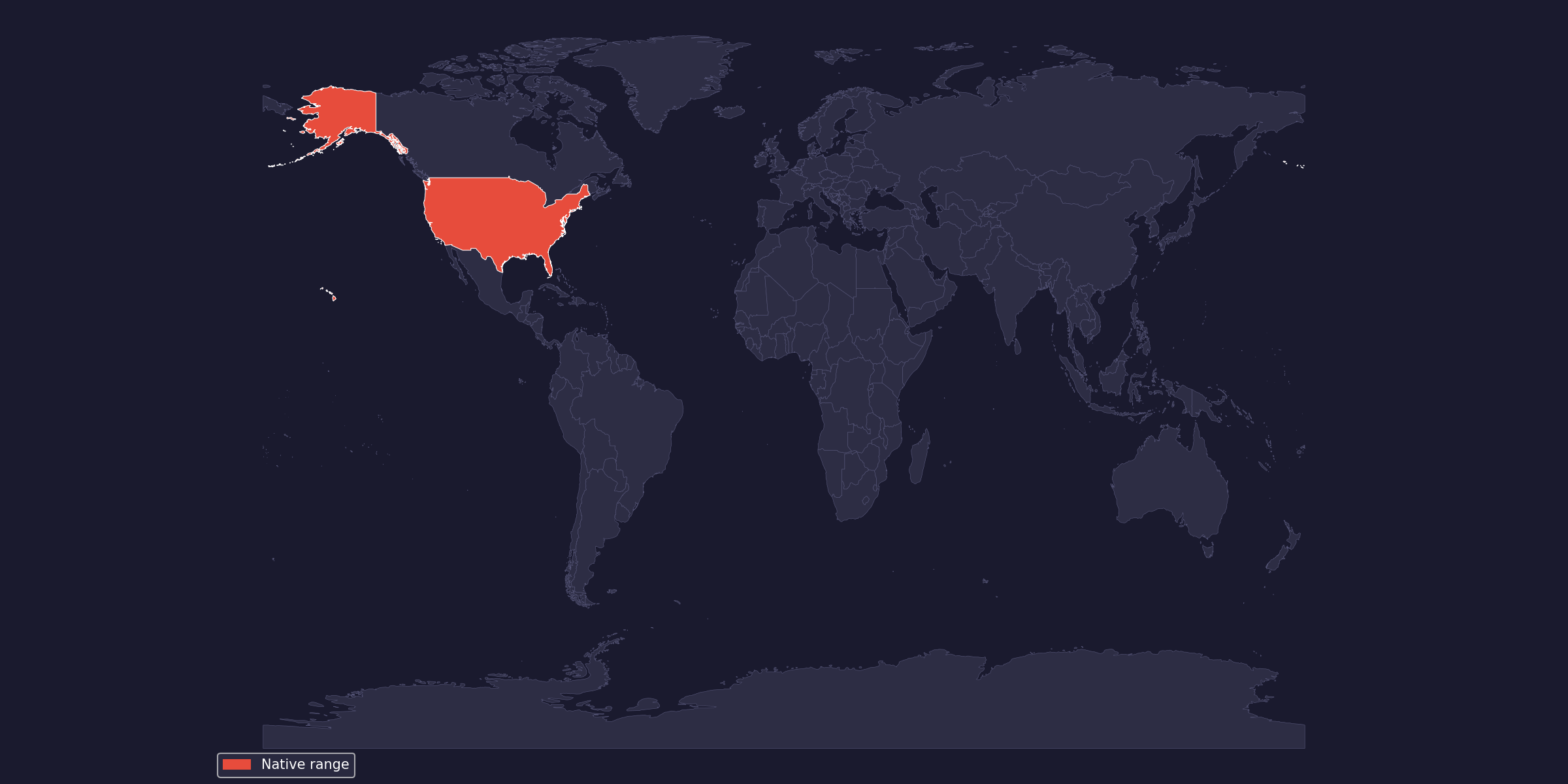
The species is native to the southeastern United States and nearby regions, with introduced populations in several islands and other warm areas. It uses shrubs, forest edges, gardens, fences, tall grasses, and sunlit vegetation with nearby cover.
In captivity, provide the same functional choices: elevated perches, leafy retreats, a warm basking site, cooler shaded areas, drinking droplets, and enough cover that the lizard can disappear from view.
🌡 Climate across the native range
Monthly climate normals from reviewed GBIF occurrence locations:
Texas — United States of America
| Month | Min °C | Mean °C | Max °C | RH % |
|---|---|---|---|---|
| January | 8.4 | 13.6 | 18.9 | 74 |
| February | 10.2 | 15.6 | 21 | 71 |
| March | 13.8 | 19.2 | 24.5 | 70 |
| April | 17.4 | 22.3 | 27.2 | 71 |
| May | 21.2 | 25.6 | 30 | 75 |
| June | 23.8 | 28.2 | 32.6 | 73 |
| July | 24.4 | 29.1 | 33.9 | 71 |
| August | 24.4 | 29.2 | 34 | 70 |
| September | 22.9 | 27.8 | 32.7 | 69 |
| October | 18.8 | 24 | 29.2 | 69 |
| November | 14.1 | 19.4 | 24.6 | 70 |
| December | 10.2 | 15.4 | 20.7 | 69 |
Florida — United States of America
| Month | Min °C | Mean °C | Max °C | RH % |
|---|---|---|---|---|
| January | 10.1 | 16.3 | 22.4 | 73 |
| February | 10.6 | 16.9 | 23.3 | 72 |
| March | 13.3 | 19.4 | 25.5 | 70 |
| April | 15.4 | 21.5 | 27.5 | 69 |
| May | 18.5 | 24.2 | 29.9 | 72 |
| June | 21.4 | 26.5 | 31.7 | 76 |
| July | 22.2 | 27.4 | 32.6 | 77 |
| August | 22.5 | 27.4 | 32.4 | 78 |
| September | 22.1 | 26.8 | 31.5 | 77 |
| October | 19.4 | 24.1 | 28.9 | 74 |
| November | 15.1 | 20.6 | 26 | 75 |
| December | 11.6 | 17.6 | 23.5 | 74 |
Georgia — United States of America
| Month | Min °C | Mean °C | Max °C | RH % |
|---|---|---|---|---|
| January | 0.2 | 5.8 | 11.4 | 66 |
| February | 1.5 | 7.9 | 14.3 | 61 |
| March | 5.4 | 12.2 | 19 | 61 |
| April | 8.9 | 16.2 | 23.5 | 60 |
| May | 13.7 | 20.5 | 27.4 | 67 |
| June | 18 | 24.5 | 30.9 | 69 |
| July | 20.3 | 26.4 | 32.6 | 70 |
| August | 19.8 | 25.7 | 31.6 | 73 |
| September | 16.6 | 22.6 | 28.6 | 72 |
| October | 10 | 16.7 | 23.4 | 69 |
| November | 5.1 | 11.6 | 18.1 | 67 |
| December | 1.5 | 7.4 | 13.3 | 66 |
Weather data by WorldClim v2.1 · Monthly normals queried by Herpeton Academy from raster values; relative humidity is derived from vapor pressure and mean temperature.
Location references use GBIF.org occurrence data where available; original occurrence records retain their source dataset licenses.
⚖️ Legal status
Checked on 2026-06-09: Anolis carolinensis was not found as a CITES-listed species, and no specific EU wildlife-trade Annex listing was found for this species. The Bern Convention is not relevant.
Local and national rules can still apply. In native-range areas, collection from the wild may be regulated by state or provincial wildlife law. In non-native areas, import, transport, sale, or release rules may be stricter because anoles can establish outdoors in suitable climates. Never release unwanted animals.
🤌 Husbandry
A practical minimum for one adult is 45 x 45 x 60 cm. More height and planting are strongly preferred, especially for females, juveniles, or any breeding group. A single male should not be housed with another male.
Pairs or small groups are only for keepers who can monitor weight, basking access, feeding, and breeding pressure. Many keepers get better welfare and easier observation from single-animal setups.
💡 Lighting
Use bright visible light and UVB over the upper basking area. Plan around Ferguson Zone 2, with an exposed perch in the UVI 1-2 range and shaded cover nearby.
Provide a 10-12 hour photoperiod. Seasonal day-length adjustment is useful, but forced brumation is not necessary for ordinary pet care. Do not use colored night lights.
🌡 Heating and temperature
- ambient air: 24-29°C
- basking surface: 30-33°C
- cool retreat: 22-24°C
- night: 18-22°C
Use overhead heat, not heat rocks. A small animal can overheat quickly in a glass enclosure, so measure both the basking perch and shaded retreats.
💧 Humidity and water
Aim for 50-70% humidity with short misting peaks around 70-85%. The enclosure should dry partly between misting cycles.
Most green anoles drink droplets from leaves and glass, but a small clean water cup can be offered. Good ventilation is as important as humidity; stale wet air causes problems.
🌿 Enclosure and decoration
The enclosure should be dense and vertical. Include:
- thin branches and vines at several angles
- leafy plants near the basking zone and in shade
- narrow perches for small feet
- a covered back or side if the animal glass-surfs
- a small egg-laying area for mature females
- very fine mesh and tight door gaps
Avoid sticky traps, exposed fan openings, loose lamp guards, and decor gaps where a thin lizard can wedge itself.
🪳 Feeding
Feed small insects daily to every other day, depending on age and body condition. Suitable foods include pinhead to small crickets, fruit flies for hatchlings, small roaches, small black soldier fly larvae, small silkworms, and occasional other safe feeders.
Prey should be smaller than the width of the head. Gut-load feeders, dust with calcium regularly, and use a reptile multivitamin on a controlled schedule. Remove uneaten insects so they do not bite or stress the lizard.
🥚 Breeding notes
This species is oviparous. Females usually lay 1 egg at a time, sometimes 2, at intervals during the warm breeding season. Captive incubation is commonly around 26-29°C for about 30-45 days.
Females need calcium, UVB, privacy, and a suitable laying site. Continuous breeding in a small group can exhaust females, so separate animals when needed.
🧍 Handling and safety
Green anoles should be moved with a cup or container whenever possible. Hand-catching risks tail loss, dropped animals, and escape into the room. Children should observe rather than handle.
🩺 Common problems
Common problems include dehydration, retained shed on toes, calcium imbalance, burns, egg retention, injuries from cohabitation, escape injuries, and chronic stress from exposed enclosures.
Warning signs include weight loss, weak grip, swollen limbs, sunken eyes, persistent dark coloration with lethargy, open-mouth breathing, or repeated failed feeding. Check temperature, UVB, hydration, food size, and social stress before assuming the animal is simply shy.
📌 Conclusion
The green anole is a rewarding display lizard when kept like a tiny arboreal reptile with real environmental needs. Have the planted enclosure, feeder supply, UVB, misting routine, and escape plan ready before buying one.
📚 Sources and further reading
- CITES Appendices, checked 2026-06-09
- Commission Regulation (EU) 2023/966, checked 2026-06-09
- GBIF Backbone Taxonomy: Anolis carolinensis
- The Reptile Database: Anolis carolinensis
- Animal Diversity Web: Anolis carolinensis
- North Carolina Wildlife Resources Commission: Green Anole