Share

Therea nuptialis
🔤 Taxonomy
Therea nuptialis (Gerstaecker, 1861) is the accepted name. It was described as Corydia nuptialis; Corydia gueriniana Saussure, 1863 is a synonym. Those historical names are valid search terms, not separate culture labels.
This is not an orange form of T. regularis or a lightly marked T. bernhardti. Adult wing pattern and especially hind-wing characters are used in diagnoses. Retain the breeder’s culture name and origin; photographs of nymphs cannot establish the species.
📌 Description
Adults are approximately 2.5-3 cm long and more elongate than the familiar domino culture. Contrasting pale or yellow marks interrupt the dark forewings, and fully developed wings are a useful part of the diagnosis. Males can fly, although they are not sustained fliers. Brown nymphs remain buried for much of their slow growth.
Because this species is scarce in culture and care data are mostly line observations rather than controlled studies, it belongs with experienced cockroach keepers.
| Care point | Practical target |
|---|---|
| Adult size | 2.5-3 cm |
| Colony enclosure | 40 x 30 x 35 cm |
| Temperature | 25-28°C, with a cooler retreat |
| Substrate | 8-12 cm with a damp lower layer |
| Reproduction | deposited oothecae; conservative 3-6-month window |
| Main risk | flying males and uncertain stock identity |
🌍 Distribution
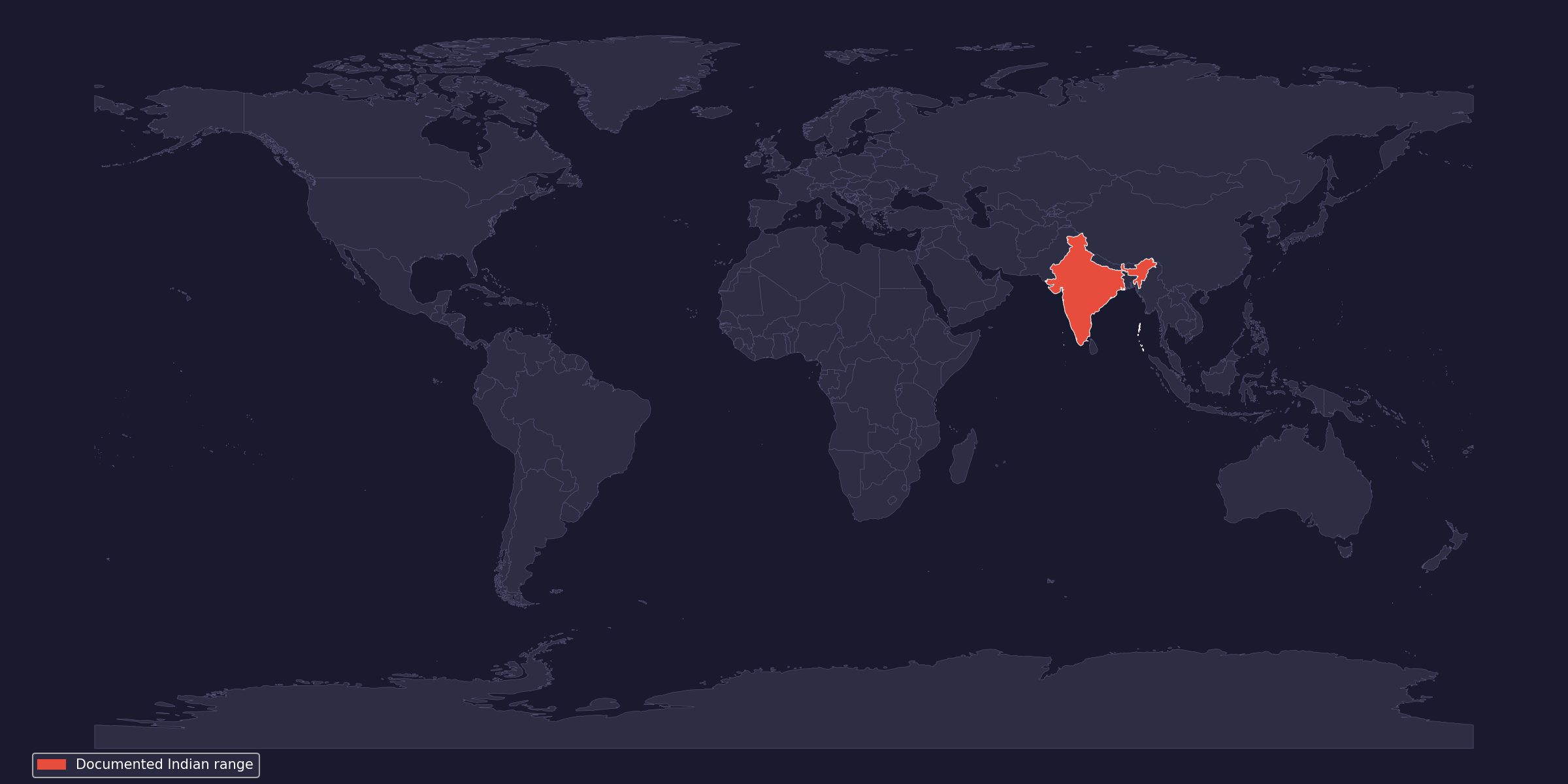
The species is Indian. The historical record was from the “East Indies”; modern Indian checklists report Assam, Bihar, Odisha and Tamil Nadu, while recent material has been documented from the Jawadhu Hills of Tamil Nadu. The available locality evidence is too uneven for a narrower national map.
⚖️ Legal status
Checked on 2026-08-22: T. nuptialis is not listed by CITES or in Annexes A-D of Commission Regulation (EU) 2026/1383. An Indian cockroach is outside the geographic purpose of the Bern Convention and no specific Bern listing was found. The species is not on the current EU Union-concern invasive list.
National import, breeding and transport restrictions may still apply. Preserve the invoice and the exact culture-line record, ask the receiving country before shipping live insects, and prevent disposal of viable eggs outdoors.
🤌 Husbandry
Use a fine-vented, gasketed enclosure rather than a loose-lidded aquarium. A 40 x 30 x 35 cm box supports a starter colony and gives airborne males room to settle without reaching the lid immediately. Open it only inside a catch tub and dim room lights first.
Maintain one species per box. Quarantine additions for 60 days with separate tools; mixing a rare line risks disease, hybridization and permanent loss of provenance.
💡 Lighting
UVB is not required. Use indirect visible light on a 10-12-hour schedule, with leaf litter and bark providing deep shade. Males may launch toward room light when the lid opens, so complete feeding and watering near dusk under subdued illumination.
🌡 Heating and temperature
Maintain 25-28°C through most of the box, a small 27-29°C warm side and a 22-25°C refuge. Night temperatures may fall to 21-24°C. One recent culture account reports successful laying and hatching near 27°C, but this is not a controlled species study.
Heat the side, not the entire base. Measure the lower substrate as well as the air: an overheated egg layer can dry while the displayed room RH still appears suitable.
💧 Humidity and water
Keep the lower substrate damp, never swampy, beneath a drier top layer. The working ambient range is 55-75% RH with moderate to high ventilation. Add water into one side so animals can select their preferred depth and moisture.
Use juicy vegetables or a minute protected water dish. First instars are only a few millimetres long and drown in open dishes.
🌿 Enclosure and decoration
Provide 8-12 cm of soil or coir blended with finely crushed, pesticide-free hardwood leaves and decayed wood. Cover the surface with leaves and low cork, then add a few upright twigs for adults. Avoid sand-heavy mixtures, fertilizers, treated timber and cardboard that collapses into damp soil.
Sift nothing. Hidden hatchlings and oothecae are easily thrown away during a full substrate change; hold retired substrate securely for at least one incubation cycle.
🪳 Feeding
Offer hardwood leaf litter continuously. Every two or three days add fine fish food, chick feed or another balanced dry roach food. Test carrot, squash and apple in small pieces rather than assuming every colony will take fruit.
Remove moist residues after 24 hours. Steady modest nutrition supports development better than occasional large protein feeds and creates fewer mites.
🥚 Breeding
Females place oothecae in the substrate. Species-specific measured development data are not yet robust in the hobby, so use the conservative Therea expectation: about 8-15 eggs, 90-180 days of incubation at 25-28°C and at least 9-18 months to adulthood. Record actual dates for the culture rather than rewriting observations as universal values.
Do not dig for oothecae. Stable lower moisture and uninterrupted warmth matter more than inspection. Maintain several age classes because adults live only a fraction of the nymphal period.
🩺 Common problems
- Males escape during service: reduce attraction to room lights, use a catch tub and inspect the lid seal before every opening.
- No visible colony: buried nymphs are normal; verify food disappearance and check after dark rather than excavating.
- Ootheca loss: correct a dry or saturated lower layer gradually and keep temperatures stable.
- Identity doubts: isolate the line and retain its original label; adult specialist examination is more reliable than online comparison of spots.
- Debris allergy: damp-clean frass, ventilate the work area and use appropriate gloves and respiratory protection.
📌 Conclusion
Therea nuptialis is a record-keeper’s culture: rare, slow and easy to compromise through a single unlabeled transfer. Stable warmth, deep graded soil and flight-proof servicing are more important than frequent intervention.
📚 Sources and further reading
- GBIF: Therea nuptialis
- Blattodea Species File: nomenclature and synonyms
- Grandcolas 1993: revision and ecology of Therea
- Zoological Survey of India: 2024 Blattodea checklist
- Invertebrate Dude: genus-level captive care
- ReptiFiles — checked; no species care guide was found
- CITES Appendices, valid from 5 March 2026
- Commission Regulation (EU) 2026/1383
- EU list of invasive alien species of Union concern
- Bern Convention appendices