Share

Magnificent Emerald Cockroach
🔤 Taxonomy
Pseudoglomeris magnifica Shelford, 1907 is supported by the 2018 revision that synonymized Corydidarum under Pseudoglomeris, and it remains the dominant hobby name. GBIF’s current backbone instead treats Pseudoglomeris magnifica as a synonym of Corydidarum magnifica (key 4387886); the literal taxonomy widget follows that GBIF placement. Older names include Trichoblatta magnifica and Pseudoglomeris dubia.
📌 Description
Adult females are thick-bodied and wingless; adult males are slimmer and winged. Both reach roughly 2-3 cm and display metallic green to copper coloration. Unlike most cockroaches, emerald roaches are often active by day and use bark and branches above the substrate.
All stages climb smooth surfaces and males can fly. Reproduction slows sharply when ventilation, humidity, or pollen supply is only slightly wrong, making this an advanced display colony despite its modest size.
🌍 Distribution
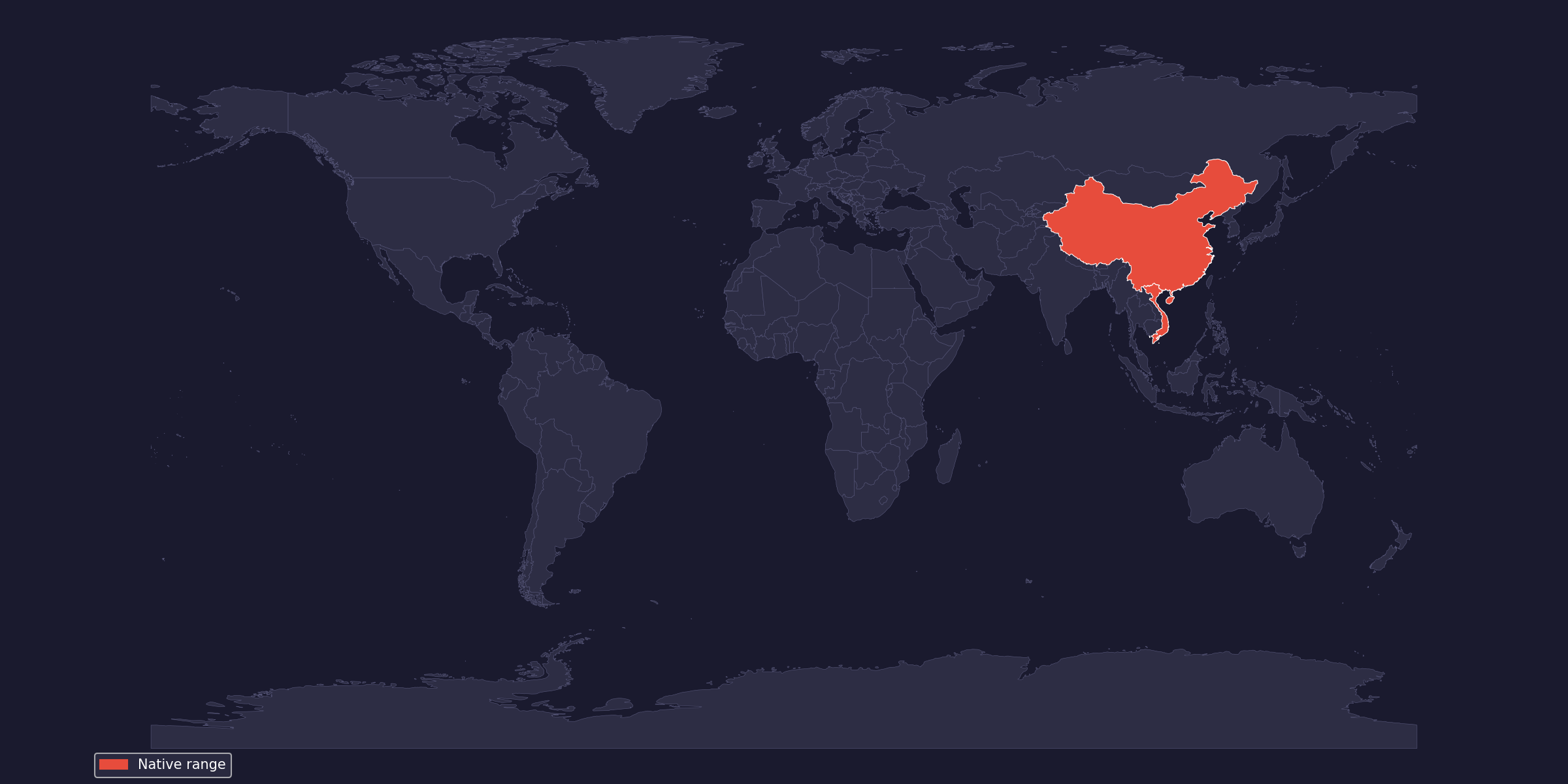
Verified type and modern records place the species in northern Vietnam and Yunnan, China. A 2022 mitogenome study used a voucher from Lincang, Yunnan. Some hobby cultures carry locality labels such as Cuc Phuong, Kunming, or Yunnan; preserve them only when traceable.
⚖️ Legal status
Checked on 2026-08-22: neither Pseudoglomeris magnifica nor the GBIF combination Corydidarum magnifica is listed in CITES, EU Annexes A-D under Regulation (EU) 2026/1383, or Bern Appendices II-III. National import, sale, transport, and plant-health rules can still apply.
Choose captive-bred stock, retain the invoice and locality name, and check import conditions before travel. Never release an Asian forest cockroach outside its enclosure.
🤌 Husbandry
A 30 × 30 × 40 cm gasketed display suits a starter group. Provide fine metal cross-ventilation, latched access, and dense vertical cork while leaving room to observe feeding sites. Every life stage climbs, and males may launch during servicing.
| Parameter | Practical target |
|---|---|
| Adult size | 2-3 cm |
| Air temperature | 24-29 °C, with a 20-24 °C retreat |
| Humidity | 65-80% air; low surface wetness and strong ventilation |
| Structure | vertical cracked cork and branches |
| Diet | fruit, pollen, leaf material, modest prepared protein |
| Reproduction | live young; usually 12-20, with newborns clinging to adults |
Quarantine new stock for 60-90 days. Inspect for mites and entomopathogenic fungus, and do not seed the enclosure with prolific isopods or large springtails that compete with small nymphs.
💡 Lighting
UVB is not required. A diffuse 10-12-hour light cycle supports the species’ visible daytime activity. Provide shade behind bark so animals can choose exposure. Strong lamps that heat the upper branches above 30 °C are unsafe.
🌡 Heating and temperature
Vietnamese lines generally grow and breed at 24-29 °C year-round. Some Chinese temperate lines benefit from winter cooling around 16-18 °C for November-February, but that is a locality-dependent breeding cycle, not universal care. Do not cool a line without reliable origin information.
Heat one side externally under thermostat control and keep a 20-24 °C refuge. Reduced reproduction at apparently correct temperatures often points to stagnant air or diet rather than a need for more heat.
💧 Humidity and water
Maintain 65-80% air humidity while keeping most visible surfaces only slightly damp. Moisten about one-third of the substrate and mist bark lightly as needed, then allow droplets to evaporate. Stagnant saturated air can stop breeding; excessive ventilation in a dry room causes failed molts and newborn loss.
Offer droplets on bark or a shallow textured water point. Measure both humidity and ventilation outcome: condensation and sour substrate mean the balance is wrong.
🌿 Enclosure and decoration
Use a 3-5 cm layer of fine leaf soil or coir beneath upright cork slabs, cork hollows, and branching hardwood. Thick bark with pockets and fissures is especially valuable. Stabilize all pieces and keep feeding ledges accessible.
The species does not normally consume its thick molts. Remove old exuviae and replace the fouled surface layer periodically. Avoid collecting untreated forest décor that may introduce fungal pathogens or predators.
🪳 Feeding
Keep pollen or a reputable pollen substitute continuously available. Add small pieces of banana, pear, apple, mango, or carrot and occasional fish food or balanced roach diet. Pollen is not decorative supplementation: keeper experience identifies it as the most reliable protein source for this palynivorous-leaning species.
Use several feeding points so young nymphs reach food without crossing exposed ground. Remove fruit within 24-48 hours and rotate it rather than allowing a permanent fermenting banana mash.
🥚 Breeding
Females retain the ootheca and give birth to live nymphs, recorded as viviparous in site metadata. At good temperatures gestation is often 1.5-2 months, but stress can extend it considerably. Typical broods contain roughly 12-20 nymphs, which may take 8-12 months to mature.
Newborns cling beneath adult females, and keeper observations indicate that first-instar nymphs survive poorly when separated from adults. Leave births within a stable colony and split only after several age classes are established.
🩺 Common problems
- Stalled breeding: first check cross-ventilation, pollen, and surface wetness, not only temperature.
- Newborn losses: keep adults with the young and prevent desiccation without saturating the box.
- Failed molts: add textured vertical surfaces and stabilize the humidity gradient.
- Fungus or competing cleanup crew: isolate affected stock and reduce imported substrate organisms.
- Escapes: service inside a catch tub, dim exit-facing room lights, and inspect mesh and gaskets.
📌 Conclusion
This is a true daytime display cockroach for a keeper able to balance humid air with constant cross-flow. Build the vertical bark structure and establish pollen supply before purchase; stagnant wet air is the most common setup error.
📚 Sources and further reading
- GBIF accepted backbone record: Corydidarum magnifica
- Cockroach Species File: Pseudoglomeris magnifica
- Li et al. 2018 revision of Pseudoglomeris
- Complete mitogenome and voucher locality in Yunnan
- Detailed specialist husbandry observations
- CITES Appendices
- Current EU wildlife-trade Annexes: Regulation (EU) 2026/1383
- Bern Convention documents and appendices