Share

Obscure Sand Cockroach
🔤 Taxonomy
Polyphaga obscura Chopard, 1929 is an accepted corydiid species. The name is unreliable in trade: specialist keepers report that many cultures sold as “P. obscura” are actually the larger P. saussurei. Do not merge lines without comparing adult females, males, locality data, and a defensible identification.
📌 Description
Adult females are wingless, oval burrowers, about 3.1-3.4 cm long and uniformly dark brown. Males are slimmer and winged. Females sit between P. aegyptiaca and P. saussurei in size. Most of the colony remains below the surface, so this is a substrate-focused display whose activity is easiest to see at feeding time.
The slow life cycle and uncertain identity of some hobby stock make the species advanced. A cheap female sold without males or records may be a mislabeled parthenogenetic P. saussurei line.
🌍 Distribution
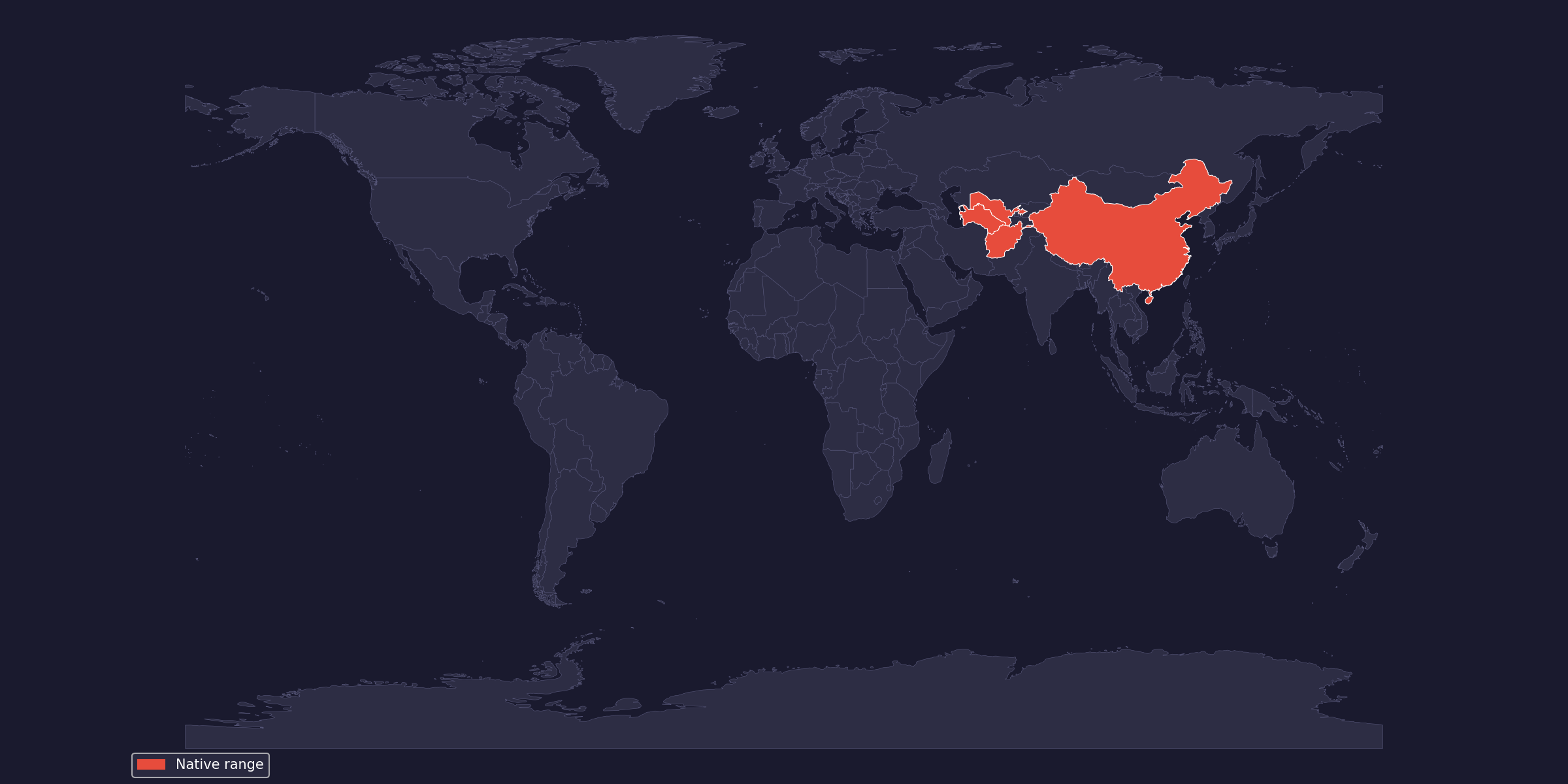
A modern redescription documents southern Xinjiang in China, Afghanistan (Kabul and Kandahar), Uzbekistan (Samarkand), and Turkmenistan (Repetek). These are arid continental localities with cold seasons, but the insects use buffered soil microclimates rather than exposed sand.
⚖️ Legal status
Checked on 2026-08-22: no listing was found for P. obscura in CITES, EU wildlife-trade Annexes A-D under Regulation (EU) 2026/1383, or Bern Appendices II-III. Import, soil and plant-health restrictions, and national live-invertebrate rules may still control movement.
Retain the seller’s identification, sex ratio, locality claim, and invoice. Transport without loose soil when border biosecurity requires it, and never release animals or oothecae.
🤌 Husbandry
Use a 35 × 25 × 25 cm container for a starter group, with 10-15 cm of fine, compressible substrate. Floor area and substrate quality matter more than height. Fine ventilation prevents condensation, while a close lid contains winged males and tiny hatchlings.
| Parameter | Practical target |
|---|---|
| Adult female | about 3.1-3.4 cm |
| Air temperature | 20-27 °C; limited warm area 25-28 °C |
| Moisture | most substrate dry; one-quarter lightly moist |
| Substrate | 10-15 cm fine coir/soil with crushed hardwood leaves |
| Feeding | dry staple and leaves; fresh food 2-3 times weekly |
| Egg case | commonly 4-8 months under captive conditions |
Quarantine every new line for at least 90 days. Record molts, adult sex, oothecae, and hatch dates; these records help distinguish genuine slow development from an unsuitable setup or wrong identification.
💡 Lighting
UVB is unnecessary. Give a 10-12-hour day cycle without intense illumination. The roaches normally avoid light, and a lamp that warms only the surface can hide dangerous dry heat above a cooler probe.
🌡 Heating and temperature
Maintain 20-27 °C during growth, with a restricted warm side at 25-28 °C and a cooler zone around 18-22 °C. Heat one wall, not the base, so animals can move laterally and downward without entering hotter soil.
Oothecae from temperate-origin Polyphaga may benefit from one to two months around 16-19 °C, but published species-specific captive data are thin. Treat cooling as a breeder technique for well-established, healthy cultures, never as automatic care for new, weak, or very small nymphs.
💧 Humidity and water
Keep roughly three-quarters of the substrate dry and one corner lightly moist from top to bottom. This provides a humid incubation refuge without turning the burrow layer anaerobic. Sand alone drains rapidly, compacts unpredictably, and can abrade small nymphs; it is not recommended despite the common name.
Supply moisture through the damp corner and small vegetable portions. A shallow, pebble-filled dish can be used for adults, but is not a replacement for substrate moisture.
🌿 Enclosure and decoration
Blend sifted coir or pesticide-free soil with finely crushed deciduous leaves. Remove long fibers and hard chunks that obstruct newborns. Add leaf litter on top; hides are optional because the colony builds its refuge underground.
Avoid fertilizer, perlite, aromatic wood, pure sand, and flooding from above. When inspecting, lift substrate in sections over a tray and return oothecae without scraping or drying them.
🪳 Feeding
Keep crushed hardwood leaves and a moderate-protein dry staple available. Offer small amounts of carrot, squash, apple, or leafy greens two or three times weekly; Polyphaga often take less fresh produce than generalist feeder roaches.
Place food on a tile so it can be removed without turning the substrate. Large wet meals support mites long before the hidden colony consumes them.
🥚 Breeding
Females deposit oothecae in the substrate. Site metadata therefore records the species as oviparous. Use a conservative 18-26 °C incubation range and allow 120-240 days; temperature and optional cooling can shift hatching substantially.
Both male and female museum specimens are known, so sexual reproduction is normal for the species. A supposed female-only “obscura” culture should not be called parthenogenetic until the taxon and reproductive history are confirmed; mislabeled P. saussurei is a documented hobby problem.
🩺 Common problems
- Nymph losses: sift out coarse fibers and maintain a stable moist corner.
- Collapsed or sour substrate: reduce water, increase ventilation, and replace compacted material in sections.
- Oothecae that never hatch: verify identity, incubation records, moisture, and whether a modest cool period is appropriate.
- Invisible colony mistaken for dead: use food response and careful sectional checks rather than frequent full excavation.
- Mites and allergy: remove excess food and wear protection when handling dusty frass and dry substrate.
📌 Conclusion
Genuine P. obscura is a patient keeper’s burrowing display, not a fast production roach. Start only with traceable stock and fine deep substrate; the biggest preventable error is accepting a trade label without checking whether the culture is actually P. saussurei.
📚 Sources and further reading
- GBIF: Polyphaga obscura
- Qiu, Che & Wang: redescription and distribution of P. obscura
- Cockroach Species File: P. obscura
- Specialist Polyphaga culture guide and identity caution
- CITES Appendices
- Current EU wildlife-trade Annexes: Regulation (EU) 2026/1383
- Bern Convention documents and appendices