Share

Fulvous Wood Cockroach
🔤 Taxonomy
Parcoblatta fulvescens (Saussure & Zehntner, 1893) is accepted by GBIF and the Blattodea Species File. Temnopteryx texensis is a recognised synonym. Older North American literature may place the family under Blattellidae; current GBIF treatment uses Ectobiidae.
The English common name is fulvous wood cockroach. Locality labels are worth preserving because captive stocks may represent different parts of a broad US range and males can be confused with other Parcoblatta.
📌 Description
Adults are small, usually 1.1-1.5 cm in body length. Males are slender, pale tan, and fully winged; females are broader with very short separated wing pads. Adult males fly well and are drawn to light. Nymphs and females stay closer to litter and decaying wood.
This is a native woodland decomposer, not a household-infesting cockroach under ordinary conditions. In captivity, however, flying males and desiccation-sensitive oothecae make it more technical than its size suggests.
🌍 Distribution
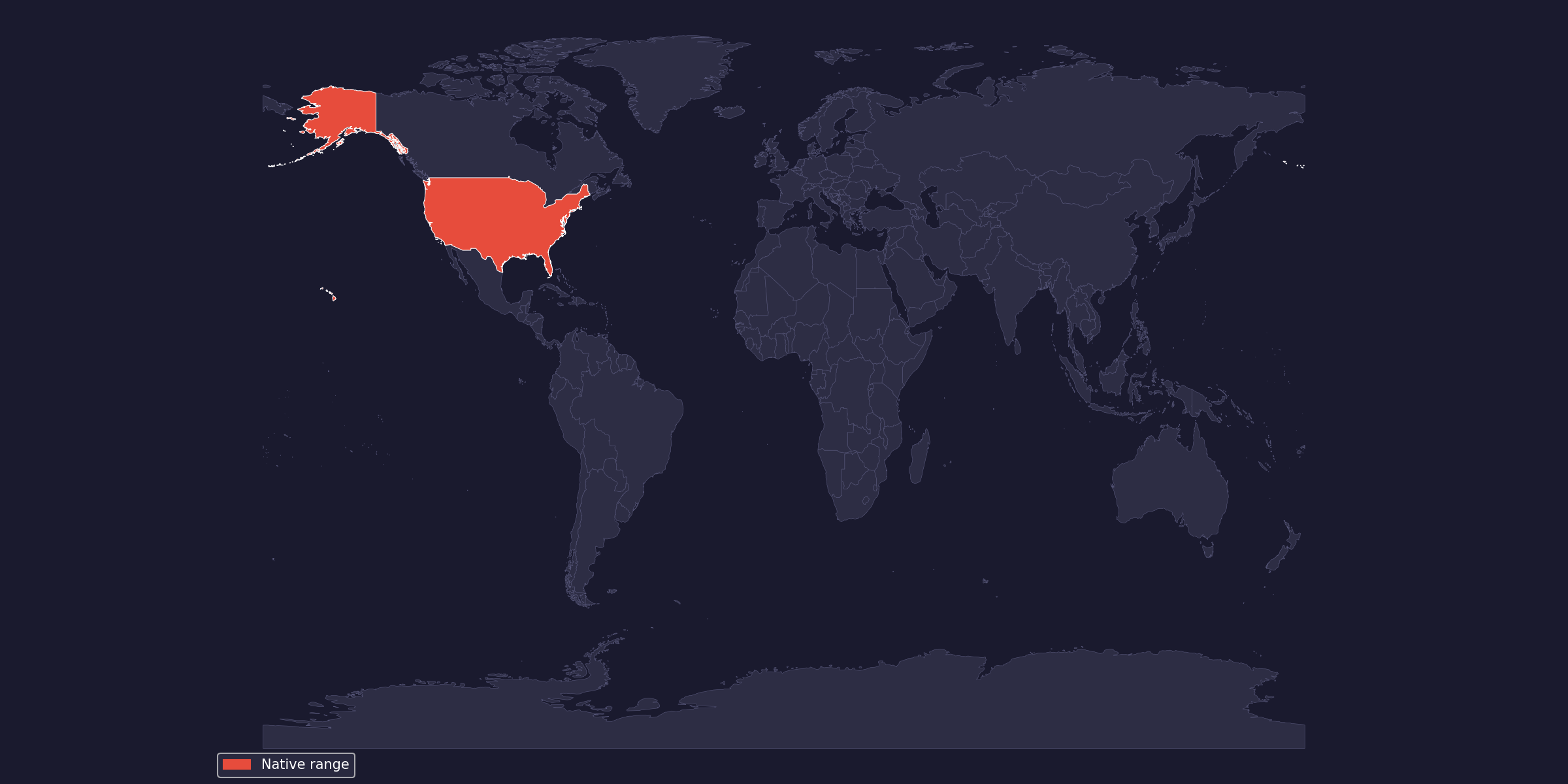
Published records place the species across the United States, especially eastern, central, and southern states. It is endemic to North America; Canadian occurrence is sometimes suggested but is not sufficiently resolved here for inclusion. It lives in leaf litter, loose bark, stumps, and moist decaying logs.
⚖️ Legal status
Checked on 2026-08-22: P. fulvescens was not found in the CITES Appendices, EU wildlife-trade Annexes A-D, the EU list of invasive alien species of Union concern, or the Bern Convention appendices. Collection of native insects can nevertheless be restricted by US state law, protected-area rules, landowner permission, and export requirements.
Prefer a traceable captive culture. Keep the collection locality and generation data, and retain invoices and permits. Never release a culture, including within the nominal native country: moving a lineage can spread parasites or obscure local genetics.
🤌 Husbandry
A 30 × 20 × 20 cm enclosure is adequate for a modest colony. The lid must be clipped and covered with fine mesh, with enough clear space above the furnishings that males cannot launch directly through an opening. Perform feeding and sorting in a large liddable catch tub, away from windows and lamps.
| Parameter | Practical target |
|---|---|
| Adult size | 1.08-1.5 cm |
| Main air temperature | 18-27 °C |
| Productive warm side | 24-27 °C |
| Night | 15-21 °C |
| Moisture | 50-75% RH; damp wood and lower refuge |
| Substrate | 6-10 cm, leaf- and wood-rich |
| Feeding | leaves/wood plus dry staple and fresh food every 2-4 days |
Quarantine new stock for 60 days with separate tools. Never merge locality lines or unidentified wild Parcoblatta. A pure colony is far more useful than a larger mixed one.
💡 Lighting
UVB is unnecessary. Use a seasonal 10-14-hour light cycle if you want to reflect temperate changes, with low intensity and shaded bark. Turn off bright task lamps before opening because adult males orient toward light.
🌡 Heating and temperature
Keep most of the enclosure at 18-27 °C with a limited 24-27 °C warm side during growth and reproduction. Provide a 16-21 °C retreat and nights of 15-21 °C. This temperate species should not be held continuously at tropical roach-room temperatures.
Wild Parcoblatta commonly overwinter as nymphs and may take a year or longer to mature. A deliberate winter cooling is optional for established, well-fed stock and should not be imposed on a weak new colony. If used, lower temperature and day length gradually while keeping a frost-free moist refuge.
💧 Humidity and water
Maintain moist rotten wood and lower substrate under a drier leaf surface. Oothecae of P. fulvescens are especially prone to drying; recent laboratory work kept them humid during handling. Constantly wet air is not the answer—cross-ventilation and a local moist zone protect eggs without fouling the whole enclosure.
Offer a shallow textured water dish or safe drinking droplets. Check more often during warm periods because both reproductive females and fresh egg cases are water-sensitive.
🌿 Enclosure and decoration
Use 6-10 cm of pesticide-free deciduous woodland soil or coir mixed generously with crushed hardwood leaves and soft decayed hardwood. Place cork and rotten-wood slabs partly embedded in the damp side. Females conceal oothecae in soil and logs, so leave those micro-sites undisturbed.
Collect wild materials only where legal and from pesticide-free ground. Heat-treating or freezing can reduce hitchhikers but also changes wood; commercial hardwood leaves and cultivated decay wood offer better traceability. Avoid resinous softwood, fertilizer, perlite, and waterlogged substrate.
🪳 Feeding
Leaf litter and decayed hardwood should remain continuously available. Supplement with a finely ground cockroach diet or grain-legume mix and small portions of carrot, squash, apple, mushroom, and greens. A little fish food or another moderate protein source supports reproduction.
Females feed heavily between oothecae; a published study found a new case about every eight days in active reproduction. Supply small fresh portions consistently rather than alternating feast and starvation. Remove leftovers before they mould.
🥚 Breeding
Females mate soon after adult emergence, then deposit dark oothecae in protected substrate. At 24-27 °C, hobby and laboratory observations support a practical 30-60-day hatch window, but seasonal stock can take longer. Published sources compare egg compartments among species without supplying a single reliable universal clutch figure, so the metadata deliberately omits one.
Do not collect and dry-incubate the cases. If one is accidentally exposed, return it gently to moist leaf-and-wood substrate. A female may produce cases at short intervals, and crowding can become apparent first as many small nymphs rather than as visible egg cases.
🩺 Common problems
- Oothecae fail: check moisture inside rotten wood and beneath leaves; exposed cases desiccate rapidly.
- Flying males escape: darken the room, close doors and windows, and open only inside secondary containment.
- Colony develops unevenly: temperate nymphs can mature over one or more seasons; do not overheat them to force synchrony.
- Misidentification: photograph adults of both sexes and retain locality data; males of related species can be difficult to separate.
- Mites or mould: remove surplus protein and wet food, then replace only the fouled patch so concealed oothecae remain intact.
📌 Conclusion
P. fulvescens is best for a keeper interested in native wood-roach biology and careful locality records. Its key requirements are moist decaying-wood microhabitats and a maintenance routine designed around flying males—not tropical heat or a sterile feeder bin.
📚 Sources and further reading
- GBIF: Parcoblatta fulvescens
- North American cockroach catalogue and atlas
- Biological parameters of reproduction in Parcoblatta
- Life history and habitat associations of North American wood cockroaches
- 2025 study of ootheca moisture and parasitoid host range
- ReptiFiles — checked; no species care guide was found
- CITES Appendices, valid from 5 March 2026
- EU wildlife-trade Annexes, Regulation (EU) 2026/1383
- EU Union list update, Regulation (EU) 2025/1422
- Bern Convention appendices